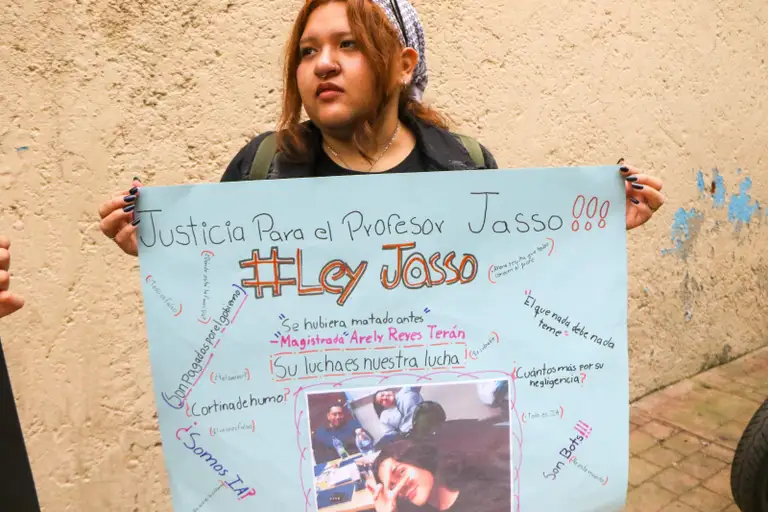
Silencio, el rostro oculto del suicidio masculino en México
The article discusses the tragic case of Alberto Israel Jasso Cruz, a professor who committed suicide after being accused of sexual abuse by a student. This case underscores a broader social issue concerning men's mental health in Mexico, as reflected in alarming suicide statistics. According to data from the National Institute of Statistics and Geography (Inegi), over 9,000 suicides were recorded in just six months, with a striking 80.6% involving men.
The text identifies several key factors contributing to the high rates of male suicide. Firstly, there is a notable difference in the methods used, with men tending to choose more lethal means, such as firearms and hanging, leading to higher completion rates of suicide. Additionally, societal norms surrounding masculinity often inhibit men from expressing emotions or seeking help, perpetuating a stigma that they must remain strong and resilient. Brenda Torrijos, a clinical psychologist, points out that men often struggle to identify and express their emotions, sometimes not even being able to cry despite wanting to.
The data highlights two critical age groups most affected: young males aged 15 to 29, who face pressures to establish their identities and fulfill societal expectations, and older men over 65, who may grapple with feelings of worthlessness and loss of purpose after retirement. The author discusses how societal expectations on men to be providers and manage family responsibilities contribute significantly to these pressures.
The article also describes common warning signs of mental distress in men, noting different behavioral manifestations such as irritability, aggression, substance abuse, and risk-taking behaviors. Jasso Cruz’s case is exemplified as a tragic illustration of the potentially devastating consequences of repressed emotions and societal pressures. Following the allegations against him, he recorded a video denying the claims and expressing the profound emotional impact of facing such accusations.
Ultimately, the narrative calls for greater awareness and understanding of men's mental health issues, emphasizing the importance of breaking down stigmas surrounding emotional expression and encouraging open discussions about mental well-being.

Comentarios